
- Home
- Solar Panel Store Blog
- plug in solar
Solar Panel Store Blog — plug in solar

Colorado Makes History: The New Law Bringing Plug-In Solar to the Masses
For years, if you wanted to go solar in Colorado, you faced a big hurdle: a hefty price tag. Traditional rooftop installations average around $30,000, making them a non-starter for many renters and homeowners with tight budgets.
But a new state law signed by Governor Jared Polis on May 7, 2026, is changing the game. It legalizes "plug-in solar," also known as balcony solar, and is set to democratize access to renewable energy in one of the sunniest states in the nation.
Here's what you need to know about the new law, how it works, and why you can't buy a certified kit just yet.
Wait, What Exactly Is Plug-In Solar?
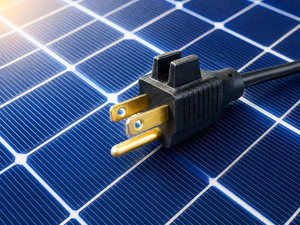
Plug-in solar is essentially a small, portable solar kit that can be plugged directly into a wall outlet.
These systems are not meant to power your whole house, but it can significantly offset your energy use.
- The Hardware: A typical system consists of one to four solar panels and a micro-inverter.
- The Setup: You place the panels on a balcony, in a yard, or against a fence, plug the cord into an interior outlet, and start generating power immediately.
- The Savings: An analysis from the University of Colorado Boulder estimates that an 800-watt setup could save a typical household around **$206 annually**. Costs for these kits range from a few hundred to about $3,000, making them far more accessible than a $30,000+ rooftop installation.
A Game-Changer for Renters and the Budget-Conscious
Before this law, plug-in solar was essentially banned in Colorado. HB26-1007, also known as the "Improve Customer Use Distributed Energy Resources Act," removes major barriers:
- No More Bans: Utility companies cannot prohibit or charge fees for using these systems.
- Renter Protections: Homeowners associations and landlords cannot unreasonably prohibit the installation of plug-in solar devices.
- Meter Collars Encouraged: The legislation also promotes the use of meter collars, devices that allow solar connection without costly electrical panel upgrades.
The law defines plug-in solar as a distributed energy resource and requires all devices to meet the UL 3700 product safety standard to ensure grid safety.
The Big Catch: Why You Can't Buy a Kit Right Now
While the law is on the books and goes into full effect on January 1, 2027, here's the reality: you can't go out and buy a UL 3700-certified plug-in solar kit in Colorado today.
1. The UL 3700 Certification Program Is Brand New
The testing and certification framework for plug-in solar systems was only announced by UL Solutions in January 2026. This program establishes clear construction, performance, and labeling criteria specifically for plug-in solar systems, also known as balcony solar. As a UL Solutions executive noted at the time, they were not aware of any plug-in solar kits that had completed the UL 3700 certification process.
The UL 3700 standard addresses specific safety risks:
- Preventing systems from becoming overloaded
- Avoiding accidental contact with hazardous electrical parts
- Stopping power from flowing back into the lines during an outage (anti-islanding protection)
2. U.S. Requirements Are Stricter Than You Think
Here's the part most people don't realize: UL 3700 doesn't actually allow you to plug these systems into just any standard outlet in your house.
According to technical analysis from experts, UL 3700 requires a dedicated, certified interconnection receptacle with specific circuit protections. That means even for small systems, a licensed electrician may need to install a dedicated circuit. This requirement makes U.S. plug-in solar very different from the simple, low-cost systems used in countries like Germany.
3. Manufacturers Are Still in Development
While no certified products are available yet, companies are working on solutions. APsystems has announced its EZ1 Plug-In Microinverter, designed for DIY balcony solar setups. The EZ1 supports two solar panels, features built-in safety relays, and can be configured for different power outputs based on local regulations.
Notably, APsystems representatives have confirmed that their products are already being sold in Maine following that state's plug-in solar law, suggesting they are working toward compliance with UL standards. However, as of now, no company has confirmed that their current products are UL 3700 certified.
4. The Effective Date Is Still Months Away
Colorado's law specifically states that the rules go into effect on January 1, 2027. The Colorado Public Utilities Commission must update interconnection rules by December 31, 2026 to ensure utilities allow certified devices. This timeline means manufacturers are racing to get certified products ready, but they won't be available until the regulatory framework is fully in place.
What This Means for You
Consumer Advice
Industry experts strongly encourage consumers to wait for systems that are officially UL-listed to ensure safety and avoid buying a product that might not be compliant. The UL mark on the product or packaging is your assurance that it meets safety standards.
Where to Find Products When They Become Available
SolarPanelStore.com, is a Colorado-based company that has been operating since 2002, and we will be selling plug-in solar products when they become available. It's worth checking our site periodically for updates on UL 3700-certified kits.
Why This Matters
Colorado is joining the ranks of Germany, where millions of households already use plug-in solar, and states like Utah, Virginia, and Maine that have passed similar laws. With electricity prices projected to rise significantly in the coming years, this law provides a timely solution for those looking to cut costs and their carbon footprint.
The wait for certified products is a necessary step to ensure safety and reliability. But when UL 3700-certified kits finally hit the market, Colorado will be ready to embrace the solar revolution, one balcony at a time.
- Loren Geist
- Tags: colorado new solar products plug in solar
Recent Posts
Categories
- colorado
- new solar products
- plug in solar